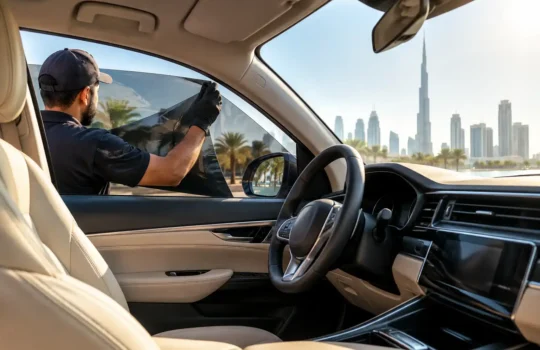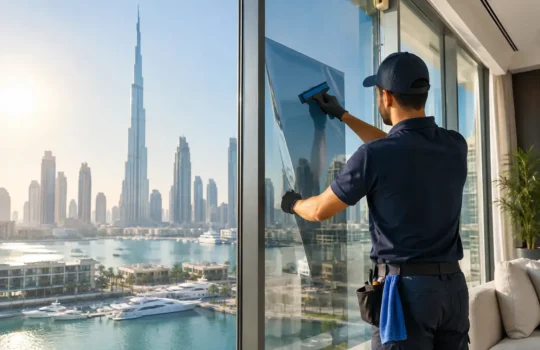
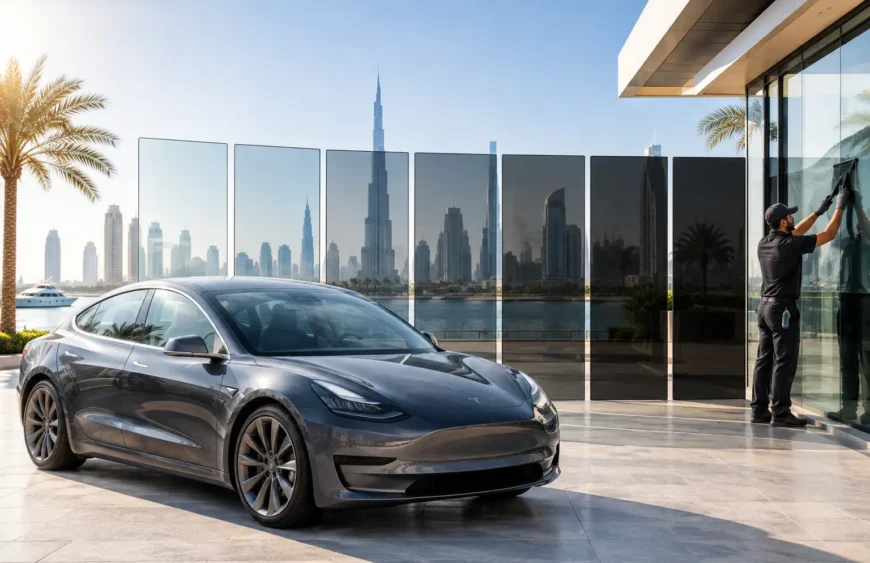
A dark window is not automatically a cooler window. That is the point many customers miss when making a tint shade comparison. Shade changes how much visible light enters the glass, but heat performance also depends on the film construction, the existing glass, the direction of the sun, and the room, vehicle, or marine environment behind it.
For a Dubai vehicle parked outdoors, a darker appearance may be a priority. For a villa with large windows, losing too much daylight can make an otherwise comfortable space feel closed in. In an office, the real issue may be screen glare at certain desks rather than overall heat. The right shade is the one that addresses the actual problem without creating a new one.
Start With Visible Light Transmission
Tint shade is normally expressed as visible light transmission, or VLT. This is the percentage of visible light that passes through the glass and film together. A higher VLT means a lighter-looking window. A lower VLT means a darker-looking window.
For example, a film with a relatively high VLT may look almost clear while still softening glare and contributing to heat control. A lower-VLT film gives a more obvious tinted appearance and can provide stronger daytime privacy, but it also reduces natural light and can affect visibility after dark.
The final result is not determined by the film alone. Factory automotive glass already has a level of visible light transmission, and residential or commercial glazing may be clear, tinted, double-glazed, laminated, coated, or reflective. When film is installed, the light transmission of the combined glass system is what matters. A professional assessment avoids relying on a shade name or a sample held in the air.
Tint Shade Comparison by Customer Priority
Light shades: preserve daylight and outward visibility
Lighter films are often the sensible choice where heat and ultraviolet exposure are the main concerns, but the customer wants the room or cabin to remain bright. They suit many villa living areas, offices with good views, retail glazing, and drivers who prefer a subtle appearance.
A light ceramic film can outperform a darker basic dyed film for heat rejection while allowing more natural light through. This is why shade alone is not a reliable measure of cooling performance. If a customer wants to reduce solar load without changing the character of a bright interior, a light, high-performance film may be more appropriate than a dark film.
The trade-off is privacy. Light shades offer limited daytime screening, especially when the inside is illuminated or the glass faces a close neighboring property.
Medium shades: a practical balance for many applications
Medium shades are often chosen when customers need noticeable glare reduction and daytime privacy without making the glass look overly dark. In vehicles, this range can create a more comfortable cabin and reduce the intensity of bright side sunlight. In homes, it can be useful for bedrooms, lounges, street-facing windows, and spaces with afternoon sun.
For offices, a medium shade can help reduce discomfort near perimeter glazing while maintaining useful daylight for the rest of the workspace. However, the same shade can feel very different on an east-facing window than on a west-facing window. The time of day, surrounding buildings, exterior reflections, and the size of the glass all influence the experience.
Dark shades: stronger appearance, privacy, and glare control
Darker films reduce visible light more substantially. They are often selected for automotive rear windows, private areas, certain yacht cabins, or spaces where daytime privacy and glare control matter more than maximum daylight.
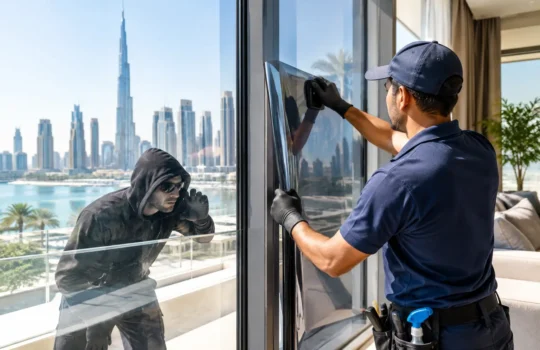
Their limitation is straightforward: darker glass can make night visibility harder, particularly in vehicles and in rooms where exterior lighting is limited. They also do not create complete privacy at night. When interior lights are brighter than outside, people outdoors may still see silhouettes or activity through a dark film. For night privacy, film selection may need to be combined with the right window treatment or a different privacy solution, depending on the project.
Automotive tint must also be selected and installed in line with applicable UAE requirements. The desired shade is only one part of a suitable recommendation.
Shade Is Not the Same as Heat Rejection
A useful tint shade comparison separates visible light from solar energy. Sunlight reaching glass includes visible light, ultraviolet radiation, and infrared energy. It also carries heat across a broad solar spectrum, so a single headline number rarely tells the full story.
Total solar energy rejected, or TSER, is one of the most useful figures for comparing solar-control films. It describes the percentage of total solar energy rejected by the glass-and-film system under specified test conditions. In practical terms, a higher TSER generally indicates stronger overall solar control, although real comfort still depends on the glazing, exposure, installation, and air movement in the space.
Infrared rejection is also commonly discussed, but it needs context. Some films advertise very high infrared rejection at a specific infrared wavelength. That does not mean they reject the same percentage of all solar heat. A proper comparison looks at TSER alongside VLT, glare reduction, UV protection, and the particular glass being treated.
Ultraviolet protection is valuable at both light and dark shades. Quality window film can significantly reduce UV transmission that contributes to fading and skin exposure through ordinary glass. It cannot eliminate all causes of fading, however. Visible light, heat, fabrics, dyes, and the quality of the interior materials also affect how quickly furnishings change over time.
What Each Setting Usually Needs
For a vehicle, start with driving visibility, cabin comfort, appearance, and privacy. A lighter ceramic option can make sense for drivers who spend long periods on the road and want heat reduction without a very dark look. A darker rear application may suit privacy needs, provided it remains appropriate for safe operation and applicable rules.
For a sun-exposed villa, start with the orientation and use of each room. West-facing family rooms often need better solar control and glare reduction, while a shaded room may benefit more from UV reduction or privacy than from a darker shade. Large windows deserve particular care because a film that looks subtle on a sample can noticeably change the appearance of an entire facade.
For commercial glass, look beyond the building exterior. Identify where people sit, where screens face the windows, when glare occurs, and whether the glass is part of a double-glazed or coated system. A lighter film may solve glare at workstations without making a client-facing office feel dim. Where one side of a meeting room needs switchable privacy rather than permanent tint, Smart Film may be a more suitable category altogether.
Marine applications require their own assessment. Yacht glazing is exposed to intense reflected light from water, and the glass may have specific construction or curvature. The preferred shade must work with visibility, interior heat, privacy, and the compatibility of the film with the glazing.
Glass Compatibility Comes Before Installation
Not every film is suitable for every window. Solar film changes how glass absorbs and releases heat. On some glass types, particularly certain insulated units, coated glass, laminated systems, or installations with existing film, the wrong choice can increase thermal stress or affect appearance.
This does not mean solar film is unsuitable for complex glazing. It means the glass must be identified before a recommendation is made. The age of the building, pane construction, edge condition, seal condition, existing tint, and manufacturer information can all matter. For large villa or commercial projects, a site review and, where practical, a test area help set expectations before full installation.
View Samples in Real Conditions
Film samples are useful, but they should be viewed on the actual glass whenever possible. Hold a sample against a window at midday, then look through it from both sides. Consider the view, interior finishes, neighboring buildings, and how the shade changes when exterior brightness drops.
Performance demonstrations can also be helpful when they are explained correctly. A solar transmission meter can compare how different glass-and-film combinations transmit solar energy under its test method. It is a practical comparison tool, not a promise that every room or vehicle will cool by a fixed number of degrees. Cabin temperature and indoor comfort also depend on sun exposure, glass area, insulation, air conditioning, and how long the space has been heating up.
Choose the Shade After Defining the Problem
The best tint shade is rarely selected from darkness alone. If glare is the main complaint, prioritize visible light reduction in the affected area. If heat is the issue, compare TSER and the film technology rather than assuming a darker look will do more. If privacy is needed, define whether it is daytime, nighttime, or both. If natural light matters, begin with the lightest option that delivers the needed solar control.
At Dr SunShield, the practical approach is to assess the glass, the environment, and the result you want before recommending a film. A considered choice may be light, medium, dark, or even a different solution entirely. The useful question is not “Which shade is darkest?” It is “Which shade lets this space or vehicle work better every day?”