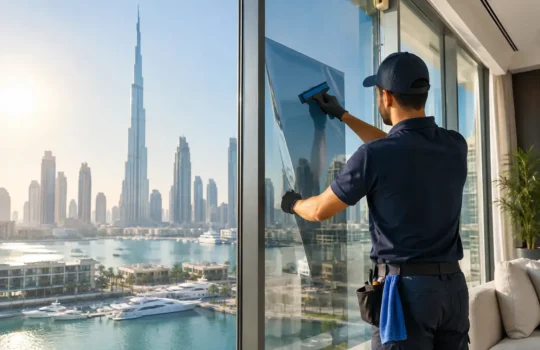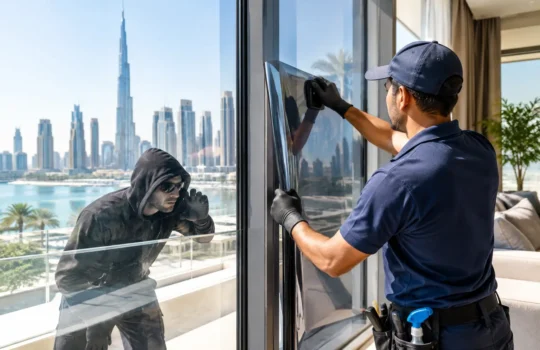
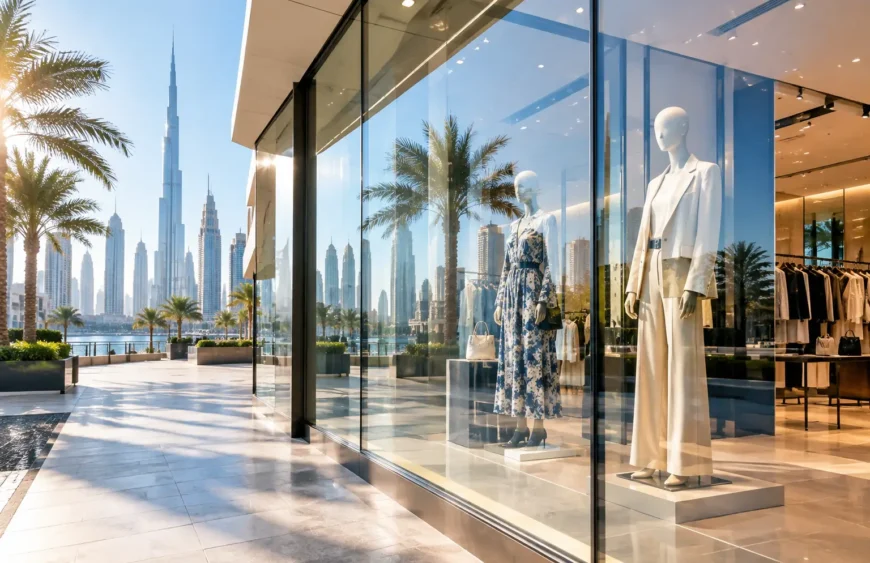
A shopfront can be doing two opposing jobs at once: inviting customers to look in while blocking punishing afternoon heat, reflections, and unwanted views inside. The top options for retail windows are not one-size-fits-all products. A fashion boutique with sun-facing display glass has different priorities from a ground-floor clinic, a showroom with digital screens, or a restaurant that needs daytime privacy without making the space feel closed in.
For most retail projects, window film is worth considering before changing glass or adding physical coverings. It can improve comfort and reduce glare while preserving the clean, open appearance that makes a storefront work. The right choice depends on the existing glass, window orientation, display requirements, lighting, operating hours, and whether the main concern is heat, privacy, safety, or appearance.
Start With the Problem Behind the Glass
Retail glazing is often selected for visibility and architecture, not for the realities of Dubai sunlight. Large panes can turn a display zone into the hottest part of a store, wash out merchandise colors, and make payment counters or workstations difficult to use at certain times of day.
A proper assessment should identify when the problem occurs. West-facing glass may cause intense late-day heat and glare, while a street-facing window may create privacy concerns all day. A bright showroom may need a lighter solar-control film to retain its open feel. A meeting area beside the entrance may need a more privacy-focused solution.
Glass compatibility also matters. Not every film is suitable for every pane. Factors such as single or insulated glazing, tempered glass, laminated glass, panel size, edge condition, frame type, and existing coatings can affect what can be installed safely. This is why a film should be selected after reviewing the glass rather than solely by choosing the darkest sample.
Solar Control Film for Heat and Glare
Solar-control film is usually the most practical answer for retail windows exposed to direct sun. It is designed to reduce solar energy entering through the glass, helping make perimeter areas more comfortable and reducing the cooling load placed on the air-conditioning system.
The most useful figure here is Total Solar Energy Rejected, or TSER. This measures the portion of the sun’s total energy that a film-and-glass system rejects. It considers more than one part of sunlight, including visible light, infrared energy, and ultraviolet energy. Higher TSER generally means more solar heat is rejected, but a higher number is not automatically the correct choice if it also makes the glass too dark for the retail environment.
Infrared rejection is another figure customers often see. Infrared is associated with the heat you feel from sunlight, but an infrared percentage may refer to a limited wavelength range depending on how it is measured. It should not be treated as the same thing as total heat rejection. For a store, TSER, visible light transmission, and the orientation of the glazing give a more complete picture.
Visible light transmission, often shortened to VLT, describes how much visible light passes through the film. A higher VLT keeps the window lighter and clearer. A lower VLT provides more shading and usually stronger glare reduction, but it can alter the appearance of displays from outside and reduce daylight inside. For shopfronts, a medium or light shade often offers the best balance. For a rear stockroom or a sun-exposed staff area, a darker option may be entirely appropriate.
Clear Ceramic Film When Store Visibility Matters
Some stores want heat reduction but cannot accept a noticeably tinted storefront. This is where clear or near-clear ceramic solar-control film can be a sensible option.
Ceramic films can help manage infrared heat and ultraviolet exposure while maintaining a relatively natural view through the glass. They are particularly useful for premium retail interiors, display windows, galleries, and showrooms where merchandise must remain visible and color appearance matters.
The trade-off is straightforward: a clearer film may not deliver the same overall solar control as a darker reflective or tinted film. It can still make a meaningful difference, especially on glass with moderate exposure, but the expected result should match the shade and the site conditions. On a heavily exposed west-facing façade, a nearly invisible film may improve comfort without eliminating every hot spot.
UV protection is valuable for stores with products, furnishings, flooring, or artwork exposed near the glass. Most quality window films are designed to block a high proportion of ultraviolet radiation, which is one contributor to fading. However, fading is also influenced by visible light, heat, material quality, and the length of exposure. Film can reduce the risk and slow the process; it cannot promise that every item will never fade.
Privacy Film for Street-Facing Retail Areas
Privacy has several meanings in a retail setting. A salon may want customers in treatment areas shielded from passersby. A clinic may need discretion at reception. A back-office window may need to prevent clear views into storage or staff operations. Each situation calls for a different approach.
Frosted or decorative privacy film is a reliable choice where permanent visual screening is needed but daylight is still welcome. It can cover the full pane or be applied in bands, patterns, or branded sections. This is often more suitable than dark tint for internal partitions because it provides privacy from both sides without relying on outside brightness.
Reflective or darker solar film can create useful daytime privacy on exterior windows, but it has a limitation that should be understood before installation. Privacy depends on the brighter side of the glass. During daylight, a bright exterior and darker interior can make it harder to see inside. At night, when the shop is lit and the exterior is darker, that effect can reverse. If privacy is essential after dark, frosted film or another permanent obscuring treatment is usually the more dependable route.
Decorative Film for Brand Presence Without Replacing Glass
Decorative film is often overlooked among the top retail window options, yet it can solve practical and visual problems at the same time. It can add subtle branding, create a more defined entrance, break up large panes, conceal an untidy back-of-house view, or make a glass partition safer to notice.
For retail interiors, the most effective designs are usually restrained. A full opaque treatment can make a compact unit feel smaller, while partial frosting or clean horizontal bands preserve openness. Decorative film also gives tenants a flexible way to update a space without permanently altering the glazing, subject to landlord and fit-out requirements.
Safety and Security Film for Vulnerable Glass
Safety and security window film is considered when glazing needs added resistance to breakage, impact, or flying fragments. In a retail context, it may be relevant for accessible storefront panes, glass doors, display areas, or windows near busy public areas.
This film is not a replacement for proper security planning, shutters, alarms, or suitable glazing where those are required. Its role is to help hold broken glass together and, depending on the system and application, make forced entry through the glass more difficult. Performance depends on the film thickness, adhesive system, type of glass, frame condition, and whether an attachment system is used. A site review is essential, especially where the goal is security rather than simply reducing shattered-glass risk.
Smart Film for Private Rooms and Premium Fit-Outs
Switchable Smart Film changes from clear to opaque when powered. For retail, it can suit consultation rooms, treatment spaces, private offices, VIP areas, or glass partitions where privacy must be available on demand.
It is a specialist solution rather than the default answer for a sunny shopfront. Smart Film requires suitable electrical planning, careful installation conditions, and realistic expectations about its purpose. It provides controllable privacy, but it is not primarily a high-performance solar-control product. Where heat is the main problem, a solar-control film may still be needed as part of a broader glazing plan, subject to compatibility.
How to Choose Without Over-Specifying
The most expensive film is not necessarily the right one. A well-chosen medium solar-control film may be more useful than a premium clear product in a glass-heavy, west-facing store. Conversely, a dark film that performs well on a meter may be a poor choice if it changes the storefront’s appearance or makes product displays feel dull.
Before approving an installation, ask to see samples against the actual glass and look at them from inside and outside. Check the window at the time of day when glare is worst if possible. A solar transmission meter demonstration can help illustrate comparative performance, but it does not recreate the full building environment or predict an exact indoor temperature reduction. Interior lighting, air-conditioning, shade from nearby buildings, glass type, and sun angle all influence the final result.
For retail windows in Dubai, the most useful recommendation is one that treats the façade as part of the customer experience, not just a source of heat. Dr SunShield can assess the glass, demonstrate suitable film options, and recommend a practical solution based on the problem you are actually trying to solve. The right film should let customers see what you want them to see, while making the space behind the glass easier to work in.