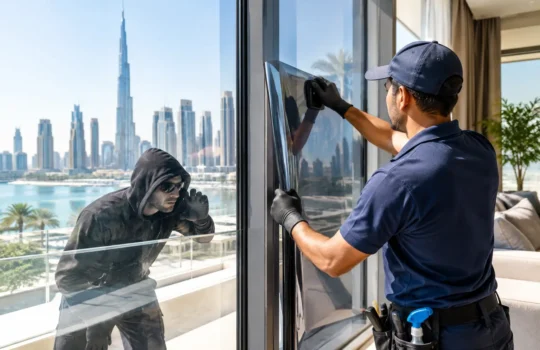
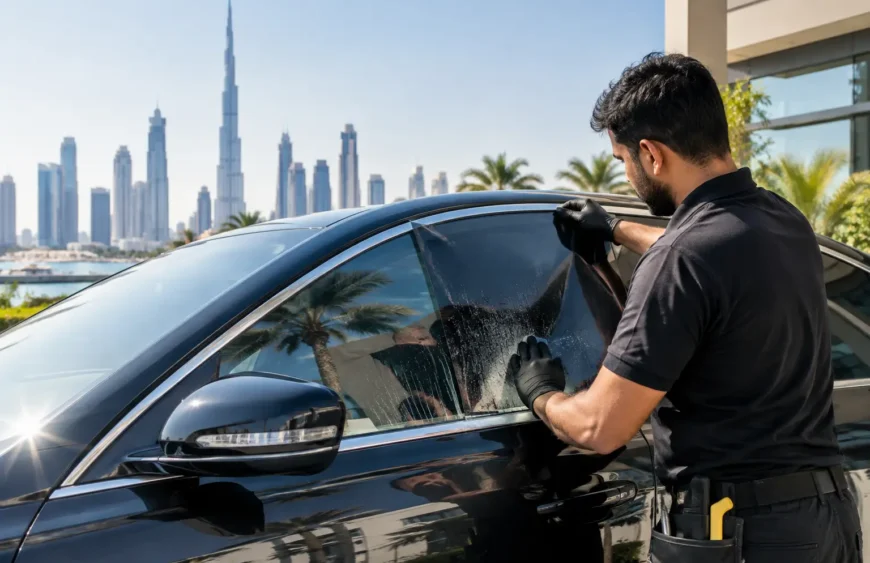
A useful DS-PRO tint review should answer more than whether the film looks dark from outside. For drivers in Dubai, the real questions are how much solar heat reaches the cabin, whether the chosen shade remains comfortable at night, how the film performs on your specific glass, and whether the installer can support the work after installation.
DS-PRO may be considered by drivers looking for better cabin comfort, glare reduction, UV protection, and a cleaner appearance. But no tint brand or range can be judged fairly from a name alone. Performance changes substantially between film series and shades, and the installation standard matters as much as the film itself.
What a DS-PRO Tint Review Should Actually Measure
The first figure many customers ask about is infrared rejection. This can be useful, but it is frequently misunderstood. Some products advertise high infrared rejection at a specific infrared wavelength. That does not mean the same percentage of the sun’s total heat is blocked.
For day-to-day cabin comfort, total solar energy rejected, usually called TSER, is a more complete comparison. TSER accounts for the solar energy a film reflects, absorbs, and prevents from passing through the glass. A high-performing ceramic film can reduce the heat burden in the cabin while retaining a relatively light appearance, but the actual TSER depends on the film shade and the original vehicle glass.
Visible light transmission, or VLT, is equally important. It describes how much visible light passes through the glass and film together. Lower VLT creates a darker look and generally improves daytime privacy, but it also reduces outward visibility after dark. A shade that feels comfortable in bright afternoon sun may be less suitable for drivers who regularly use poorly lit roads, parking garages, or reverse cameras at night.
UV protection addresses a different concern. Quality automotive film is commonly selected to reduce UV exposure through side and rear glass, helping protect occupants and interior materials from prolonged sun exposure. It should not be confused with heat rejection. A film may offer meaningful UV filtering without delivering the same solar-control performance as a higher-tier ceramic option.
DS-PRO Tint Review: The Questions to Ask Before Choosing
Rather than selecting DS-PRO tint solely by darkness, ask for the specification of the exact series and shade being proposed. The relevant details are the installed VLT, TSER where available, glare reduction, UV performance, warranty terms, and any legal or practical limitations for the vehicle.
Ask how the figures were obtained. A live solar meter demonstration can be helpful for comparing sample films under the same conditions, especially when it shows solar transmission through plain glass and glass with film. However, a meter reading is a demonstration of a particular test setup, not a promise that the cabin will cool by a fixed number of degrees. Cabin temperature also depends on windshield area, vehicle color, parking direction, air-conditioning performance, seat materials, and how long the vehicle sits in direct sun.
It is also sensible to ask whether the film is dyed, metalized, carbon-based, ceramic, or another construction. Ceramic films are often chosen by customers who want strong solar control without a heavily reflective finish and without using metal layers that can potentially affect electronic signals. That said, “ceramic” is a category, not a complete performance rating. The product data for the specific film remains more useful than a broad label.
Appearance and privacy are not the same thing
A darker rear window can improve daytime privacy, but privacy varies with the lighting on each side of the glass. At night, when the cabin is illuminated and the outside is dark, even a dark film may allow people outside to see in. Film can reduce visibility into a vehicle, but it cannot create complete privacy in every lighting condition.
Color tone also matters. Some films look neutral, while others can appear charcoal, blue-gray, or slightly warmer depending on the glass and viewing angle. On premium vehicles, a consistent finish across the side and rear glass is often more important than pursuing the darkest possible shade.
Installation quality determines the finished result
Even a well-specified film can disappoint if it is poorly installed. A professional automotive tint installation begins with checking the glass, seals, defroster lines, access around doors, and existing damage or aftermarket equipment. Glass is cleaned carefully, the film is accurately shaped, and edges are finished with attention to areas that are visible when doors or windows are opened.
Small water pockets and a slightly hazy appearance can be normal during the curing period, particularly in humid conditions. They should reduce as the moisture evaporates. Large contamination particles, lifting edges, creases, or damage to defroster lines are not normal finishing details and should be addressed with the installer.
Do not lower tinted windows immediately after installation if the installer has advised otherwise. The film needs time to settle at the edges. The appropriate curing and care period can vary with weather, film type, and the treated glass.
When DS-PRO Tint May Be a Sensible Choice
DS-PRO tint can be worth considering when its documented performance matches the problem you are trying to solve and the installed price includes competent workmanship and clear warranty support. For a vehicle that spends hours parked outside in Dubai, a solar-control-focused film may justify a higher budget than a basic appearance tint. For a car that is mainly driven in the evening, a lighter film with better night visibility may be the more practical choice.
The right choice also depends on where the heat enters. The windshield usually receives the most direct solar load, yet it should only be treated where a suitable, compliant option is available. Side and rear glass treatment can still make a noticeable difference to glare, direct sun exposure, and cabin comfort, but expectations should remain realistic. Window film reduces solar gain. It does not eliminate heat from a vehicle that has been parked in full sun for several hours.
A lower-cost film can be appropriate when the priority is modest glare control, a darker appearance, or short-term ownership. Paying for a higher-specification ceramic film makes more sense when you value daytime driving comfort, long-term color stability, a lighter legal-looking appearance with stronger heat control, or a more demanding vehicle interior.
Glass Compatibility and Practical Limitations
Most automotive side and rear glass can be tinted, but the vehicle should still be assessed before work begins. Curved rear screens, dot-matrix borders, delicate defroster elements, laminated glass, factory privacy glass, and previous film residue can affect the process and final appearance.
Factory privacy glass deserves particular attention. It may look dark, but it is not automatically a high heat-rejection solution. Adding film to it changes the combined VLT and can make the glass significantly darker than expected. A sample placed against the actual glass is more informative than choosing from a film roll alone.
For vehicles with advanced driver-assistance systems, antennas, cameras, or sensors near the glass, the installer should identify those areas before proposing coverage. Tint should never interfere with critical equipment, and no film should be applied where it would compromise safe operation or visibility.
The Bottom Line on DS-PRO Tint
A fair DS-PRO tint review is not a simple pass-or-fail verdict. It comes down to the exact film series, its measured specifications, the shade selected, your vehicle’s glass, and the quality of the installation. A dark film may meet an appearance goal, while a lighter ceramic option may be more effective for heat reduction and everyday visibility.
Before approving any tint, compare samples on your own vehicle, request the specifications for the chosen shade, and make sure the warranty and aftercare process are clear. The best result is the film that addresses your actual driving conditions, rather than the one with the boldest number on a brochure.