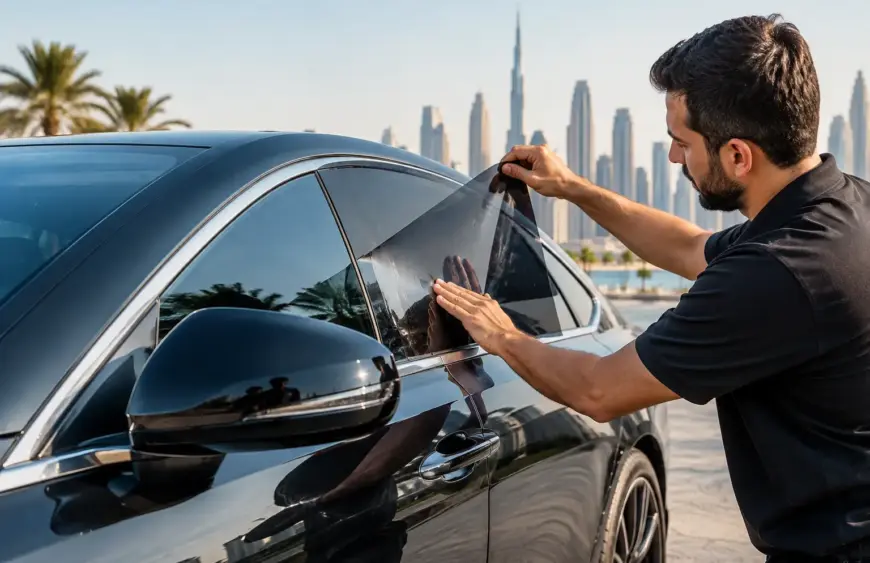
A useful automotive film review should not begin with the darkest shade on a sample board. In the UAE, the better question is what makes your vehicle uncomfortable: heat building through the glass, harsh windshield glare, UV exposure, lack of privacy, or a cabin that still feels hot despite having tint installed. The right film is the one that addresses that specific problem without making the car look or drive the way you do not want.
Automotive window film is often discussed as a cosmetic upgrade. Appearance matters, but it is only one part of the decision. A film that looks suitably dark may offer modest heat performance, while a lighter ceramic film can make a meaningful difference to solar comfort. This is why comparing specifications, glass areas, and installation quality is more useful than choosing by shade alone.
What an Automotive Film Review Should Measure
A credible review separates the numbers that sound impressive from the ones that affect daily driving. Visible light transmission, infrared rejection, UV protection, and total solar energy rejection are related, but they do not mean the same thing.
Visible light transmission refers to how much visible light passes through the treated glass. It influences cabin brightness, exterior appearance, privacy, and nighttime visibility. A lower transmission creates a darker look, but darker is not automatically cooler. It can also make reversing, parking garages, and night driving more demanding, particularly if the vehicle already has factory-tinted glass.
Infrared rejection is relevant because infrared energy contributes to the heat you feel on your skin. Ceramic films are designed to reject a high proportion of this heat-producing energy while maintaining a clearer appearance than many drivers expect. Total solar energy rejection gives a broader indication of how the film handles solar load, including visible light and other parts of the solar spectrum. It is a valuable figure, but it should be compared carefully across films at the same shade and tested under equivalent conditions.
UV rejection matters for occupants and interiors. Quality automotive film can help limit UV exposure through side and rear glass, while also helping protect leather, trim, and upholstery from long-term fading. It does not replace sensible sun protection, but in a vehicle used daily across Dubai, Abu Dhabi, or the wider UAE, it is a practical part of cabin protection.
Ceramic Tint: Where the Difference Is Felt
Ceramic film is usually the right category to examine when heat is the main complaint. Unlike basic dyed film, it is built to manage solar energy rather than primarily adding a darker appearance. It is also generally non-metallic, which helps avoid the signal interference sometimes associated with older metallic films.
The benefit is most noticeable after the car has been parked in direct sun or during long daytime drives. No film turns a sun-exposed cabin into an air-conditioned room before the AC is running. It can, however, reduce the intensity of radiant heat through the glass and help the cabin become comfortable more quickly once cooling begins.
The trade-off is cost. A lower-priced film may improve privacy and reduce glare, but it may not deliver the same heat rejection, optical clarity, color stability, or warranty coverage as a higher-grade ceramic option. For a vehicle that is parked outdoors every day, spends long hours on Sheikh Zayed Road, or carries children and passengers regularly, the upgrade can be easier to justify. For a car used occasionally and stored indoors, a mid-tier film may be the more sensible recommendation.
Shade Is a Personal Choice, Not a Performance Grade
Many drivers arrive with a single request: the darkest legal tint. That is understandable, but shade should follow the intended use of the vehicle. A driver focused on glare reduction may prefer a medium shade that keeps the cabin comfortable without changing night visibility too dramatically. Someone who values a clean, understated factory look may choose a lighter ceramic film with strong heat performance.
Rear passengers, large SUV glass areas, and panoramic roofs can change the recommendation. A film that works well on a compact sedan may feel too dark on an SUV with already-tinted rear glass. Windshield treatment requires particular care because forward visibility is critical and local tint rules must be respected.
Before installation, confirm the applicable vehicle tint requirements for your registration and intended use. Regulations and enforcement can change, and factory glass affects the final visible light transmission. A responsible installer should discuss compliance rather than treating it as an afterthought.
Meter Demonstrations Are Useful, With Limits
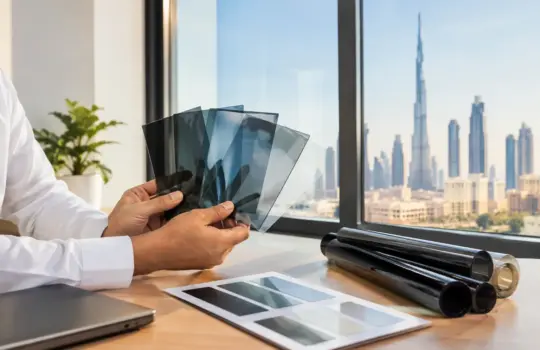
A live solar-meter demonstration can make film comparisons more tangible. At Dr SunShield, an EDTM SP2065 solar transmission meter can be used to compare how different samples transmit visible light, UV, and infrared energy. It is a practical way to see why two films with similar darkness can perform differently.
The demonstration is not a promise that your cabin temperature will drop by one fixed number. Real-world comfort also depends on windshield size, dashboard materials, vehicle color, parking direction, exterior temperature, AC performance, sunroof glass, and how long the car has been parked. The meter proves a sample’s transmission characteristics under the test conditions. It does not recreate every condition inside a particular vehicle.
That distinction matters because it keeps the decision honest. A good installer uses the meter as supporting evidence, then considers the glass, the vehicle, and your priorities before recommending a film tier.
The Installation Can Make or Break the Result
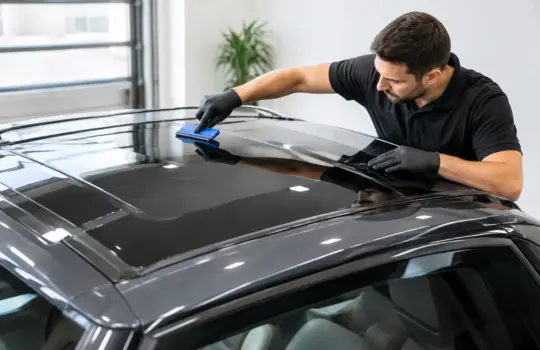
Even premium film will disappoint if installation is rushed. Automotive glass needs thorough preparation so dust, oils, and residue do not become trapped under the film. Edges need to be cut and finished cleanly, and the installer needs to work around sensors, defroster lines, seals, trim, and complex rear screens with care.
Small water pockets can be normal during the initial curing period, especially after a wet installation. They should reduce as the film dries. Dust contamination, lifting edges, creases, distorted viewing, or damage around delicate trim are different issues and should not be dismissed as normal curing.
Ask who will actually install the film, what the warranty covers, and what aftercare is required. The answer should be direct. In a family-run installation business, the person who discusses the job should be accountable for the finish, not simply passing the work to an unknown subcontractor.
Comparing Film Tiers Without Overbuying
A tiered ceramic range gives customers a useful way to match budget with performance. Dr SunShield’s DS-ONE, DS-PRO, and DS-MAX options are structured around increasing infrared heat rejection and warranties of three, six, and ten years. That does not mean DS-MAX is automatically the right answer for every car.
DS-ONE may suit drivers who want a quality ceramic upgrade and a balanced budget. DS-PRO can make sense for daily drivers that spend significant time outdoors. DS-MAX is aimed at owners who want the strongest available heat-management option and longer warranty coverage, especially on vehicles with large glass areas or demanding daily use.
The useful comparison is not simply, “Which one is best?” It is, “Which one solves the problem I have?” If privacy is the priority, shade and final appearance may lead the decision. If the cabin feels punishing after an outdoor parking period, prioritize verified heat performance. If preserving a premium interior matters, include UV protection, optical clarity, and long-term color stability in the conversation.
Questions Worth Asking Before You Book
A short consultation should establish where the car is parked, how often it is driven in daylight, whether children or rear passengers use it, and whether you are more concerned about heat, glare, privacy, or appearance. It should also account for factory glass and any existing tint that needs removal.
Ask to see the actual film options side by side, not only a name on a quotation. Compare shades against your vehicle’s glass, request a meter demonstration where available, and confirm the written warranty duration. If mobile installation is offered, check whether the location is suitable. Wind, dust, limited access, and poor lighting can affect whether a mobile job is appropriate, so a workshop installation may sometimes be the better choice.
The best automotive film decision is rarely about choosing the darkest sample or the highest number on a brochure. Choose the film that keeps the cabin more usable in real UAE conditions, preserves the visibility you need, and is installed with enough care to look right long after the first hot summer drive.