A dashboard can look fine for years, then suddenly show fading, shine, or fine cracks after another long Dubai summer. The damage is usually gradual: strong sunlight, high cabin temperatures, dust, and daily use all work on the materials at once. Knowing how to protect car interiors means managing that exposure consistently, not relying on one product or occasional deep cleaning.
The practical goal is simple. Keep heat and ultraviolet exposure lower, prevent abrasive dirt from sitting on surfaces, and use cleaning methods that do not strip finishes or leave them greasy. Window tinting can play an important role, but it works best alongside good parking habits and sensible interior care.
Start With the Main Causes of Interior Damage
Sunlight affects more than comfort. UV radiation can fade dyes and contribute to the breakdown of materials over time, especially on dashboards, door trims, leather, vinyl, and fabric. High temperatures add another layer of stress. A parked vehicle in direct sun can heat up quickly, and repeated heat cycles can dry materials out or accelerate deterioration in adhesives and trim finishes.
Glare also matters. It makes driving less comfortable and encourages some drivers to use makeshift dashboard covers or reflective accessories that can move, reflect in the windshield, or interfere with airbag areas. A better approach is to reduce the heat and glare reaching the cabin while preserving safe visibility.
Dust and sand are the quieter problem in the UAE. Fine particles settle into seams, cup holders, seat tracks, and textured plastics. When rubbed across surfaces during casual wiping, they can create dull patches and light scratches. The solution is not aggressive scrubbing. It is regular, gentle removal before the dirt becomes embedded.
How to Protect Car Interiors From Sun and Heat
The best protection is layered. Parking in a covered area is the most direct way to limit solar exposure, but it is not always available. When parking outdoors, use a correctly sized windshield sunshade and, where practical, choose a space that will gain shade later in the day rather than lose it.
A sunshade is useful because the windshield is a large area of exposed glass and directs sunlight toward the dashboard. It will not cool every part of the cabin equally, and it does not replace side-window protection, but it can reduce the direct load on the dashboard and steering wheel.
Keep windows closed when the car is unattended, particularly during dusty conditions. Leaving a window slightly open is sometimes suggested as a heat solution, but the real benefit is limited in very hot weather and it can allow dust, humidity, or rain into the cabin. It also creates an unnecessary security risk.
Choose Window Tint for Total Cabin Performance
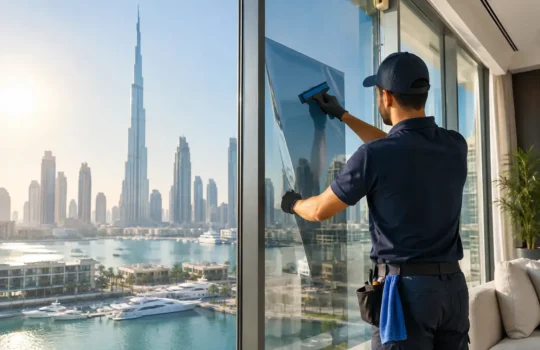
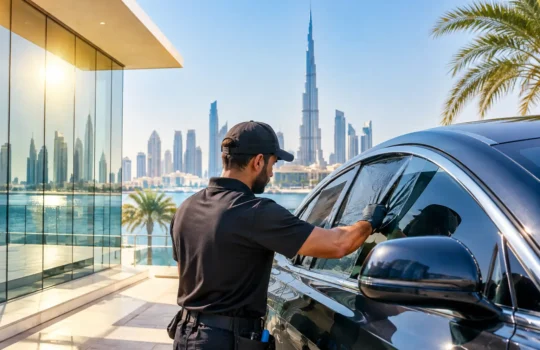
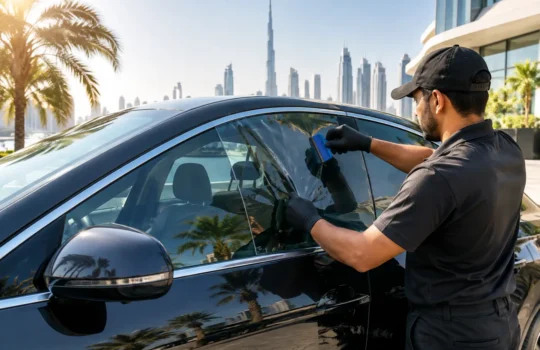
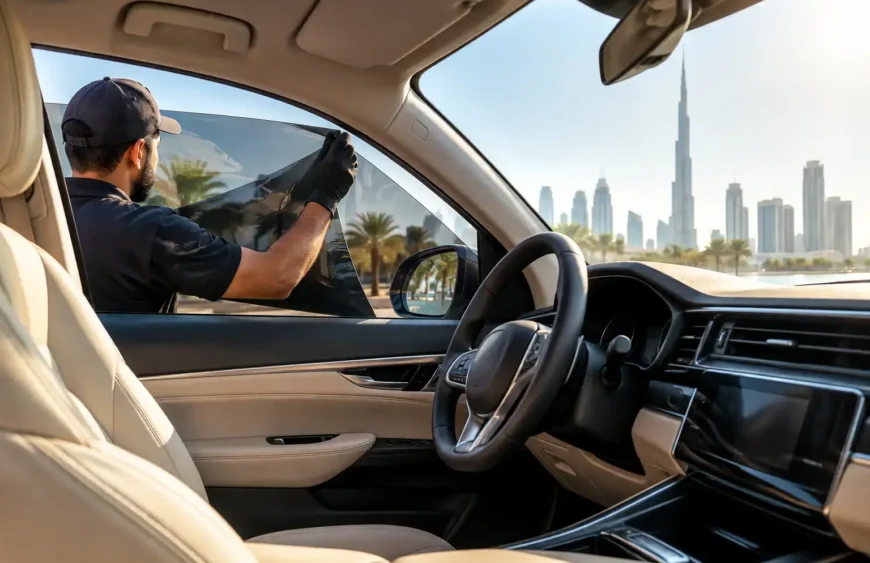
A professionally selected automotive window film can reduce heat, glare, and UV exposure through the glass. The right choice depends on the vehicle, the glass, your visibility preferences, and applicable local requirements. Darker is not automatically better.
Visible light transmission, usually called VLT, describes how much visible light passes through the glass and film combination. A lower VLT gives a darker appearance and more privacy in daylight, but can reduce visibility in low-light conditions. It is worth choosing a shade you can drive with confidently at night, not simply the darkest shade available.
For heat control, ask about total solar energy rejected, or TSER. This is one of the more useful figures because it considers the overall solar energy managed by the film and glass system. It is different from infrared rejection. High infrared rejection at a stated wavelength may sound impressive, but it does not by itself tell you how much total heat the cabin will reject. A clear explanation should distinguish between the two.
Ceramic window tint is often a suitable option for drivers who want meaningful heat rejection without relying solely on a very dark film. Its performance varies by film type and shade, so a live meter demonstration can help show how a sample manages solar transmission. That demonstration is useful for comparing films, but it is not a promise that every part of a vehicle will reach one exact temperature. Vehicle size, windshield area, parking direction, interior color, outside temperature, and how long the car sits in the sun all affect the result.
Quality automotive films are also designed to filter UV through covered glass areas. This helps protect occupants and interior materials, although no practical measure makes a car immune to heat, aging, or wear. Proper preparation and installation matter as much as the film itself. Contamination, poor edge finishing, or the wrong film choice can undermine an otherwise good product.
Clean Without Wearing Out the Finish
A clean interior is easier to maintain because dirt does not have time to bond to surfaces. The key is to remove loose dust first. Use a soft brush attachment on a vacuum for carpets, seats, and crevices, then wipe hard surfaces with a clean microfiber cloth. Avoid using one dusty cloth across the entire cabin, as trapped grit can mark piano-black trim, screens, and glossy panels.
For dashboards, door panels, and consoles, use a cleaner intended for automotive interior materials and follow its dilution and dwell-time guidance. Spraying product directly onto electronic controls, screens, switches, or steering-wheel buttons is not a good idea. Apply it to the cloth first, then wipe lightly.
Be careful with glossy dressings that promise a deep shine. They can leave glare on the dashboard, make the steering wheel slippery, and attract more dust. A clean, low-sheen finish is usually safer and looks more natural. If a surface remains shiny after cleaning, it may be residue rather than a healthier finish.
Leather needs moderation. Wipe it with a suitable leather cleaner when needed, then use a compatible conditioner sparingly if the manufacturer recommends one. Over-conditioning can leave residue in perforations and make seats feel slick. Synthetic leather, vinyl, and coated upholstery should not automatically be treated like natural leather, so check the vehicle manual or use a product clearly suited to that material.
Protect Screens, Trim, and High-Touch Areas
Modern cabins have more sensitive finishes than older vehicles. Touchscreens often have coatings that can be damaged by harsh chemicals, while black gloss trim shows scratches easily. Use a clean, soft microfiber cloth with minimal moisture and avoid household glass cleaners unless the vehicle manufacturer specifically approves them.
High-touch areas deserve regular attention: the steering wheel, gear selector, door pulls, armrests, and center console. Skin oils, hand sanitizer residue, sunscreen, and perfume can gradually change the appearance of these surfaces. A light, routine wipe is better than waiting until buildup is visible.
Manage Seats, Carpets, and Everyday Spills
Seats and carpets are where small delays become expensive-looking stains. Blot a spill immediately with an absorbent cloth rather than rubbing it deeper into the fabric. For upholstery, test any cleaner on a hidden area first, especially if the seats are light-colored, suede-like, perforated, or made from a specialty material.
Floor mats take the worst of dust, moisture, and footwear. Remove and clean them regularly, then make sure they are fully dry before reinstalling. A damp mat can create odors and transfer dirt back into the carpet. It should also sit securely and never interfere with pedal movement.
If children, pets, beach trips, or frequent site visits are part of your routine, protection should be practical rather than elaborate. Regular vacuuming, prompt spill care, and keeping a small microfiber cloth in the vehicle will do more for the interior than an occasional intensive clean.
Do Not Ignore the Windshield and Cabin Air
A dirty windshield makes glare worse, particularly during low-angle sun, at night, or when the glass has a film of dust and interior haze. Clean the inside of the windshield with a suitable automotive glass cleaner and a separate microfiber cloth. This improves clarity and prevents you from mistaking internal reflections for a tint or lighting issue.
Cabin filters do not directly protect upholstery, but changing them according to the vehicle schedule can help maintain cleaner airflow and reduce the dust and odor that settle inside. If you notice persistent mustiness, water marks, or recurring fogging, investigate the source rather than masking it with fragrance.
Build a Routine You Can Actually Keep
For most drivers, a quick weekly dust removal and a more thorough monthly clean is more realistic than complicated maintenance. The frequency should increase if the car is parked outdoors, used near construction areas, carries children or pets, or is driven frequently with the windows open.
Think of tinting and sunshades as exposure control, then support them with gentle cleaning and quick spill response. Dr SunShield approaches automotive film selection in the same practical way: the appropriate film is the one that addresses heat, glare, UV exposure, privacy, and visibility priorities for that specific vehicle, rather than simply being the darkest or most expensive option.
A well-kept interior is not about making a car look untouched. It is about reducing the avoidable damage so the cabin remains comfortable, safe, and pleasant to use through years of UAE heat.